The Dancer’s Archive: Women and Ballet in Nineteenth-Century France
Under contract with Yale University Press
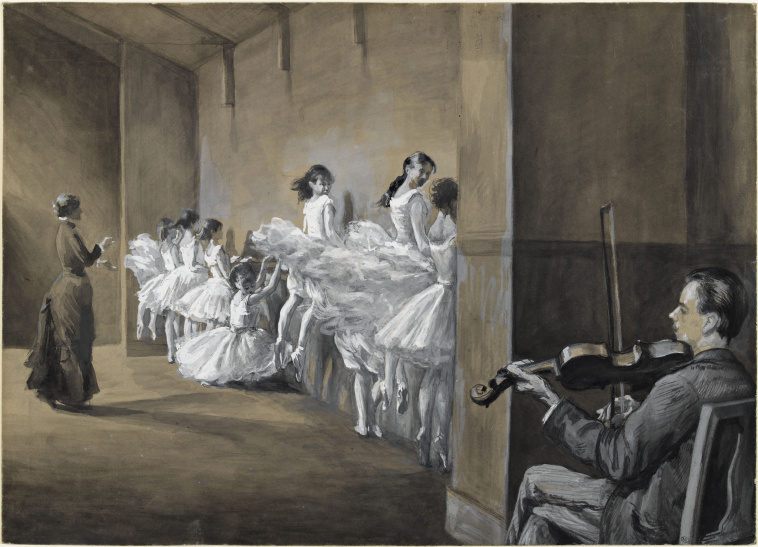
Ballet is an art passed from body to body. Yet its history has overwhelmingly been written from texts and images—and through the eyes of the men who watched, directed, and wrote about women dancers.
The Dancer’s Archive reconstructs nineteenth-century French ballet from the perspective of the women who made it. Drawing on dancers’ memoirs and correspondence, contracts and legal records, dance manuals, choreography, and the traces left by performance itself, the book asks what changes when dancers are treated not simply as objects of representation but as producers of knowledge about their art.
Moving between the Paris Opera and the worlds surrounding it, the book recovers women’s roles in shaping technique, choreography, professional practice, and ballet’s historical memory. In doing so, it proposes the dancer’s body itself as an archive: a repository of knowledge transmitted through touch, imitation, sensation, and memory.
Band Apart: Women of the New Wave
Under contract with Yale University Press
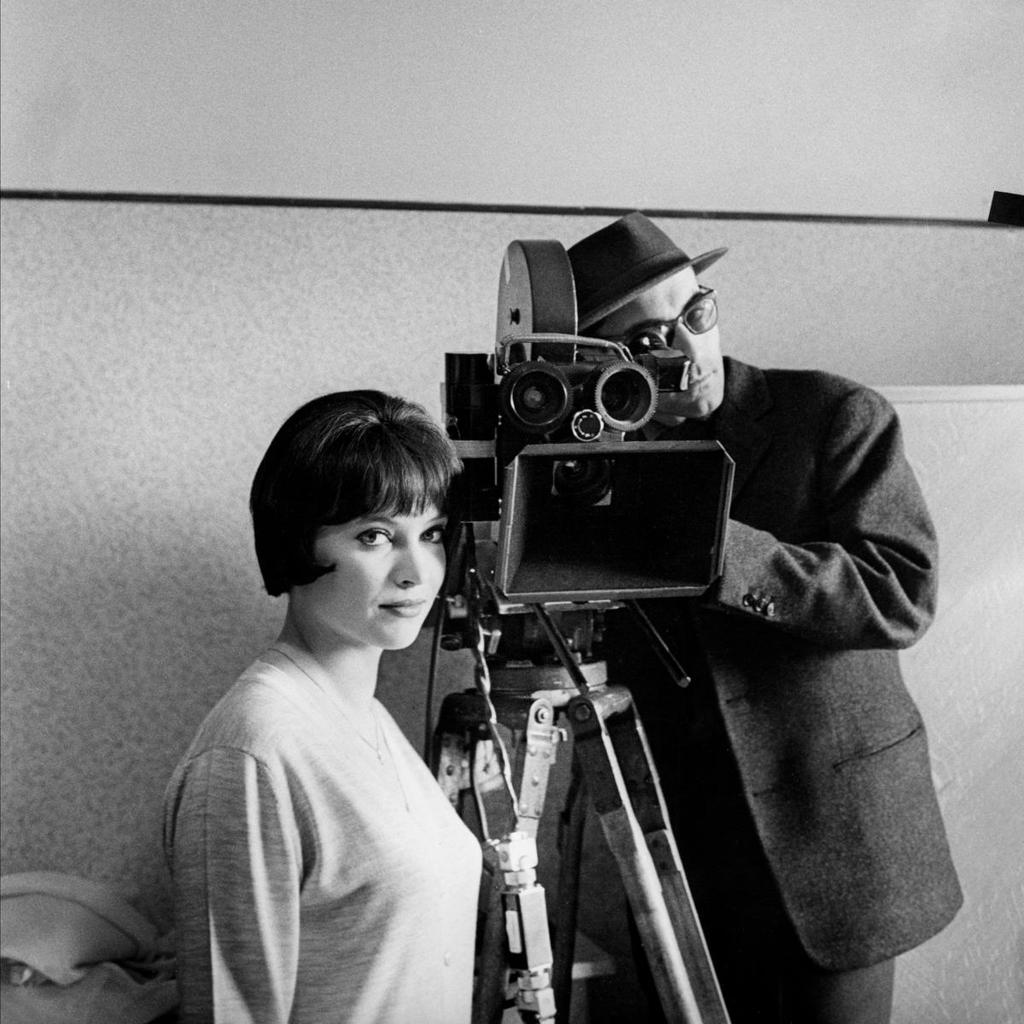
The French New Wave transformed modern cinema—and created some of its most enduring female images. But the movement’s history has largely been told through its male directors.
This book tells another history of the New Wave through the women who inhabited and helped create it. Drawing on archival research and conversations with actresses and other surviving participants, it examines the artistic labor, collaboration, and experiences obscured by the mythology surrounding the movement and its auteurs.
Moving between film history, biography, interviews, and cultural criticism, the book asks what the New Wave looks like when women are understood not simply as muses or icons, but as participants in the making of a new cinematic language.
The Pointe Shoe: Women’s Artistry and the Making of Beauty in Ballet
Work in progress
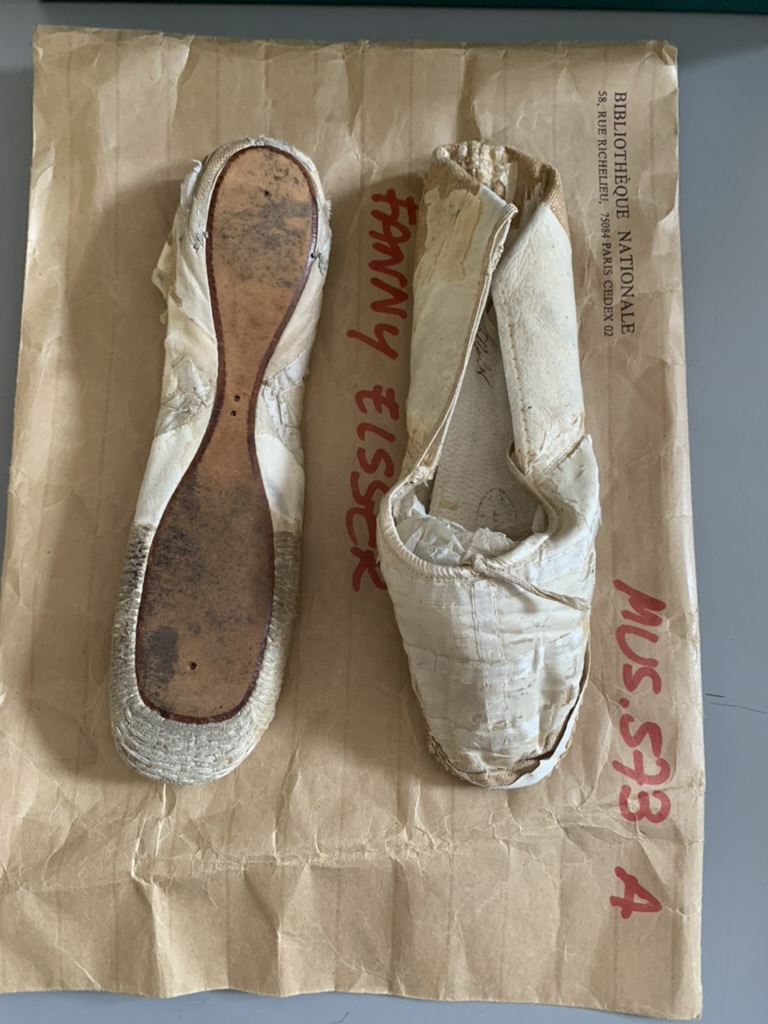
The pointe shoe is one of ballet’s most recognizable objects—and one of its least understood technologies.
This project traces the material and cultural history of the pointe shoe from the nineteenth century to the present. Drawing on surviving shoes, dancers’ accounts, archival records, and the knowledge of contemporary dancers and makers, it reconstructs the ways women have altered, prepared, worn, and understood the objects that make dancing on pointe possible.
Rather than treating the pointe shoe as a passive instrument or symbol of ballet femininity, the project approaches it as a technology shaped by women’s embodied expertise. Following individual shoes from archives and museum collections to the practices of dancers and makers, it asks how an ephemeral, bodily art leaves a material history—and what objects can reveal when written archives cannot.
The project has involved research in collections in France, Britain, Germany, Italy, and the United States.

